Welcome to the Carlsbad Roof Repair Guide, your go-to resource for understanding essential roof maintenance tasks. One of the most critical yet often overlooked aspects of maintaining your roof is inspecting flashings and seals. These components play a vital role in safeguarding your home from water damage and ensuring its structural integrity. Whether you are a homeowner looking to prolong the life of your roof or a DIY enthusiast eager to take on maintenance tasks, knowing how to effectively inspect flashings and seals is key to preventing costly repairs down the line. In this article, we will provide you with essential tips to help you identify potential issues, understand the significance of flashings and seals, and learn how to conduct thorough inspections.
By following these guidelines, you can ensure that your roof remains in optimal condition, protecting your home from the elements. So let’s dive into the world of roof maintenance and equip yourself with the knowledge you need to keep your roof safe and sound!In the Carlsbad Roof Repair Guide, we emphasize the importance of maintaining your roof, particularly through regular inspections of flashings and seals. Understanding these components is vital for homeowners, as they play a crucial role in protecting your roof from water intrusion. Flashings are thin pieces of metal or other materials installed around roof features such as chimneys, vents, and skylights to direct water away from these areas.
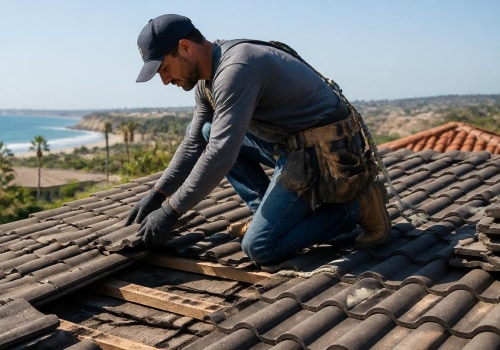
Seals, on the other hand, are often made from rubber or silicone and are used to fill gaps between roofing materials and fixtures, ensuring a watertight barrier. Together, they help prevent leaks that can lead to significant water damage and costly repairs. For homeowners in Carlsbad, where coastal weather patterns can lead to heavy rain and high winds, maintaining the integrity of flashings and seals is particularly important. Regular inspections can help catch early signs of wear or damage before they escalate into serious issues. Common signs to look for include rust on metal flashings, which indicates corrosion that could compromise their effectiveness, and cracked or deteriorating seals, which may allow water to seep into your home. To conduct a thorough inspection of your roof's flashings and seals, follow this step-by-step process.
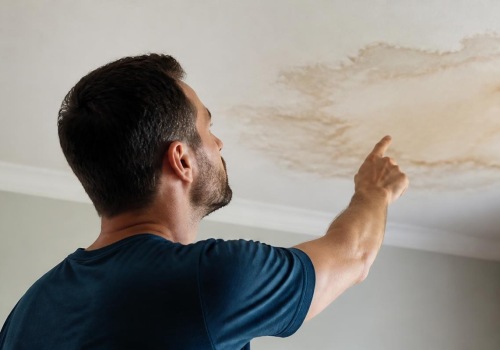
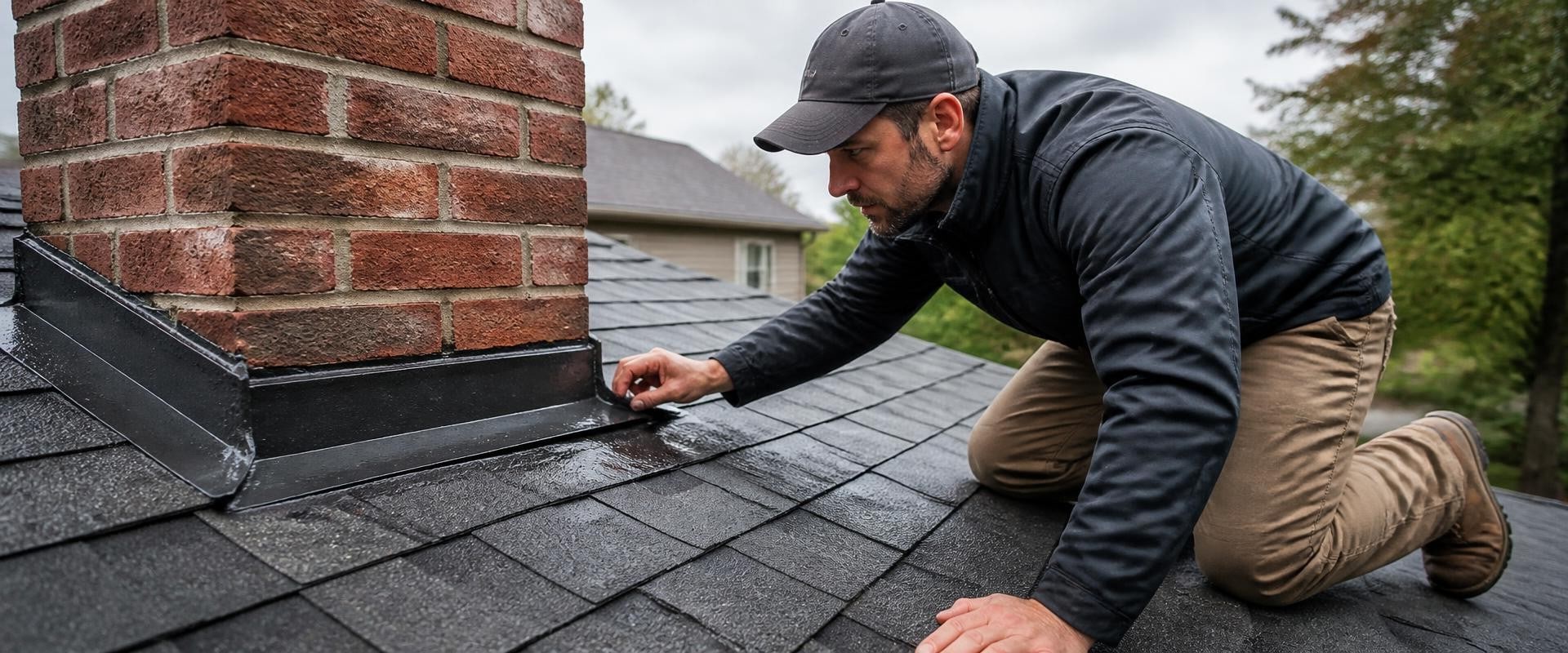
Start by examining the areas around chimneys, vents, and skylights closely. Look for any visible cracks in the seals or rust spots on the flashings. Use binoculars if needed to get a better view of hard-to-reach areas. Next, check for any signs of leakage inside your home, such as water stains on ceilings or walls beneath these installations. When inspecting flashings, pay special attention to their edges where they meet the roofing material.
Ensure they are properly sealed and not lifting away from the roof surface. For seals, gently press on them to check for flexibility; if they feel hard or brittle, it may be time for replacement. It’s beneficial to have a flashlight handy to illuminate dark corners and crevices during your inspection. In terms of tools, a ladder is essential for accessing your roof safely. Make sure it is stable and positioned correctly before climbing.
A caulk gun can be helpful for applying new sealant if you find cracks or gaps during your inspection. Additionally, having a wire brush on hand can assist in removing rust from metal flashings before applying a protective coating. Regarding the frequency of inspections, it is advisable to check your flashings and seals at least twice a year—ideally in spring and fall. After severe weather events such as storms or high winds, it’s also prudent to conduct an inspection to assess any potential damage caused by these conditions. Addressing issues found during inspections promptly is key to preventing further damage. If you notice rusted flashings or compromised seals, taking action quickly can save you from more extensive repairs down the road.
In some cases, minor repairs such as re-caulking seals or painting over rusted areas may suffice. However, if you discover significant damage or if repairs exceed your comfort level, it’s wise to call in a professional experienced in roof maintenance. The Carlsbad Roof Repair Guide encourages homeowners not to overlook the importance of these inspections as part of routine roof maintenance. By proactively addressing any concerns with your flashings and seals, you can ensure your roof remains secure against the elements for years to come.
Cost Considerations for Repairs
When it comes to maintaining your roof, understanding the cost considerations for repairing or replacing flashings and seals is crucial. In the Carlsbad Roof Repair Guide, we highlight that these components are vital for preventing leaks and ensuring the integrity of your roofing system.If you notice any signs of wear or damage during your inspections, it's essential to assess the potential costs involved in repairs. Repairing flashings can vary widely in cost, depending on the extent of the damage and the type of materials used. Minor repairs might range from $100 to $300, while more extensive work requiring the replacement of larger sections or specialized materials could escalate costs to $500 or more. Similarly, seal replacement is generally less expensive, often falling between $100 and $250, but if water damage has occurred due to compromised seals, additional structural repairs may be necessary. It's also important to consider the long-term savings associated with proactive maintenance. Investing in timely repairs can prevent significant expenses down the line, especially after severe weather events.
The Carlsbad Roof Repair Guide emphasizes that understanding these costs can help homeowners make informed decisions about when to act and how to budget for necessary repairs.
Understanding Flashings and Seals
In the Carlsbad Roof Repair Guide, we highlight the critical role that flashings and seals play in maintaining a sturdy and leak-free roof.Flashings
are thin pieces of metal or other materials installed at the junctions of roofing elements, such as where the roof meets a wall or around chimneys and vents. Their primary purpose is to direct water away from these vulnerable areas, preventing water intrusion that can lead to significant damage over time.Seals
, on the other hand, are materials used to fill gaps and joints between different roofing components, ensuring that no water can seep through these openings. They are often made from caulk or rubberized materials that provide flexibility and durability against the elements. Both flashings and seals are essential for protecting your home from leaks, especially during heavy rains or storms.When these components fail due to wear and tear, it can result in water damage, mold growth, and costly repairs. Therefore, understanding how to inspect these elements regularly is a vital part of roof maintenance. By keeping an eye on the condition of your flashings and seals, you can catch potential issues before they escalate into larger problems, ultimately saving you time and money in the long run. For residents following the Carlsbad Roof Repair Guide, knowing what to look for during inspections can empower you to take proactive steps in maintaining your roof's integrity.
When to Call a Professional
While regular inspections of flashings and seals are essential for maintaining the integrity of your roof, there are certain situations where hiring a professional is necessary. In the Carlsbad Roof Repair Guide, we highlight that not all roofing issues can be addressed with DIY methods.For example, if you notice extensive damage or signs of deterioration beyond minor wear and tear, it's crucial to bring in an experienced contractor. Another scenario where professional help is vital is when you identify leaks that persist despite your attempts at repairs. These leaks can often indicate deeper issues within the roof structure or improper installation of flashings and seals. A qualified contractor can conduct a thorough inspection to pinpoint the source of the problem and implement effective solutions. Additionally, if your roof has been exposed to severe weather conditions such as heavy storms or hail, it's wise to consult with a professional.
They possess the expertise to assess hidden damages that might not be immediately visible but could compromise the roof's overall functionality. Lastly, if you feel uncomfortable working at heights or lack the necessary tools to perform a comprehensive inspection, it’s better to call in a professional. Safety should always be your top priority, and trained contractors have both the equipment and experience to handle potential hazards while ensuring your roof is in top condition. In summary, while inspecting flashings and seals is a critical part of roof maintenance, knowing when to call a professional is equally important to avoid costly repairs down the line. The Carlsbad Roof Repair Guide is an excellent resource for understanding these nuances and making informed decisions about your roof maintenance needs.
Signs of Damage to Look For
When it comes to maintaining your roof, understanding the signs of damage to flashings and seals is crucial. According to the Carlsbad Roof Repair Guide, these components are often the first line of defense against water intrusion.Here are some key indicators that you should look for:Cracks or Gaps: One of the most obvious signs of damage is visible cracks or gaps in the flashings or seals. These imperfections can occur due to extreme weather conditions or aging materials. If you notice any breaks, it’s important to address them promptly to prevent leaks.
Rust or Corrosion:
Metal flashings can develop rust over time, especially in coastal areas like Carlsbad where salt exposure is common. Check for any signs of corrosion, as this can weaken the material and lead to further issues.Peeling or Loose Seals:
Inspect the seals around flashings for any signs of peeling or detachment.If the sealant appears loose or has begun to separate from the surface, it may no longer provide a watertight seal, increasing the risk of leaks.
Water Stains:
Interior water stains on ceilings or walls beneath your roof can indicate a problem with flashings or seals. If you observe any discoloration, it’s essential to investigate further, as this could signify that water is penetrating through compromised areas.Mold or Mildew:
The presence of mold or mildew near flashings and seals can indicate ongoing moisture issues. If you find mold growth, it’s critical to inspect these components closely and take corrective action. Regular inspections, as outlined in the Carlsbad Roof Repair Guide, can help you identify these issues early and maintain the integrity of your roof. By being proactive about checking for these signs of damage, you can save yourself from costly repairs in the future.How to Inspect Your Roof's Flashings and Seals
Inspecting your roof's flashings and seals is a vital maintenance task that can help prevent leaks and extensive damage.As highlighted in the Carlsbad Roof Repair Guide, these components serve as barriers against water intrusion, particularly during stormy weather. Here’s a detailed guide for homeowners on how to effectively inspect these essential parts of your roof.
1.Safety First:
Before you begin your inspection, ensure you have the proper safety gear. Use a sturdy ladder, wear non-slip shoes, and consider a safety harness if you're working on a steep roof. If you're not comfortable with heights or unsure about your safety, it might be best to hire a professional.2.Visual Inspection:
Start by visually examining the flashings and seals from the ground.Look for any obvious signs of wear and tear such as rust, cracks, or missing pieces. Pay close attention to areas around chimneys, vents, and skylights where flashings are typically used.
3.Closer Look:
If it's safe to do so, climb onto your roof for a closer inspection. Check the integrity of the flashings by looking for gaps or openings where water could potentially seep in. Ensure that seals around nail holes or joints are intact and not deteriorated.4.Check Sealant Condition:
Inspect any sealant used on your roof.Over time, sealants can dry out or crack, losing their effectiveness. If you notice any compromised areas, it may be time to reapply sealant to maintain waterproofing.
5.Look for Water Damage:
After heavy rain or storms, check your attic or ceilings for any signs of water damage. Stains or dampness can indicate that your flashings or seals are not performing as they should.6.Regular Maintenance:
Incorporate regular inspections into your seasonal maintenance routine. By consistently checking your roof’s flashings and seals, you can address minor issues before they escalate into costly repairs. Remember, maintaining the integrity of your roof is crucial for protecting your home.Following these steps will help you identify potential problems early and ensure that your roof remains in good condition. For more detailed insights on roof maintenance, refer back to the Carlsbad Roof Repair Guide.
How to Inspect Your Roof's Flashings and Seals
In the Carlsbad Roof Repair Guide, we highlight the importance of regular inspections to maintain your roof's integrity. Flashings and seals are critical components that help prevent water intrusion and potential damage to your home. Here’s a step-by-step guide to effectively inspect these elements on your roof.1.Safety First:
Before you begin, ensure you have the necessary safety equipment.Use a sturdy ladder, wear non-slip shoes, and consider using a harness if you’re working on a steep pitch. If you feel uncomfortable at any point, it’s best to hire a professional.
2.Gather Your Tools:
You’ll need a flashlight, a notepad for taking notes, and possibly a camera to document any issues you find. A pair of binoculars can also be handy for inspecting hard-to-reach areas from the ground.3.Inspect Flashings:
Start by examining the flashings around chimneys, vents, and skylights. Look for signs of rust, cracks, or gaps where the flashing meets the roofing material.Pay attention to any areas where the flashing is peeling or missing sealant, as these can be prime spots for leaks.
4.Check Seals:
Inspect the seals around vents and pipes. The sealant should be intact and free from cracks or separations. If you notice any deterioration or gaps, it may be time to reapply sealant to prevent water from seeping in.5.Look for Debris:
Clear any debris from the roof surface that could obstruct proper drainage. Leaves, branches, and other materials can hold moisture against flashings and seals, increasing the risk of damage.6.Document Your Findings:
As you inspect each area, take notes or photos of any issues you find.This will help you keep track of what needs repair or replacement and can be useful if you decide to consult a roofing professional.
7.Regular Maintenance:
Make it a habit to inspect your roof’s flashings and seals at least twice a year, ideally in spring and fall, and after major storms. Regular maintenance can significantly extend the life of your roof and prevent costly repairs down the road. By following these steps in your inspection process, you can ensure that your roof's flashings and seals remain in good condition, as outlined in the Carlsbad Roof Repair Guide. Remember, proactive maintenance is key to a durable and leak-free roof.How to Inspect Your Roof's Flashings and Seals
Inspecting your roof's flashings and seals is a critical step in maintaining the integrity of your home, as emphasized in the Carlsbad Roof Repair Guide. These components act as barriers against water intrusion, and regular inspections can help identify issues before they escalate into costly repairs.Here’s a detailed guide to help homeowners effectively inspect these essential parts of their roof.
1.Safety First:
Before you begin your inspection, ensure you have the right safety gear. Wear a sturdy pair of shoes with good traction, and consider using a safety harness if you are climbing onto your roof. It’s also wise to have a buddy with you or to inform someone of your plans before you start.2.Gather Your Tools:
You will need a few basic tools for your inspection. A flashlight is essential for checking dark areas, while a ladder will help you access hard-to-reach spots.A notepad and camera can be useful for documenting any issues you discover.
3.Inspect Flashings:
Start by examining the flashings around chimneys, vents, and skylights. Look for signs of rust, cracks, or loose edges. If the flashing appears damaged or deteriorated, it may need to be repaired or replaced to prevent leaks.4.Check Seals:
Next, inspect the seals that are present around fixtures and joints. Look for any gaps or cracks that could allow water penetration.Gently press on the seals; if they feel soft or crumbly, it’s a sign that they may need to be resealed or replaced.
5.Look for Water Damage:
While inspecting the flashings and seals, also check for signs of water damage on nearby roofing materials. Stains, mold, or discoloration can indicate that water has infiltrated due to failing flashings or seals.6.Document Your Findings:
As you perform your inspection, take notes and photographs of any issues you encounter. This documentation will be helpful if you decide to consult a professional later or if you need to file an insurance claim.7.Regular Maintenance:
Make it a habit to inspect your roof's flashings and seals at least twice a year, especially after severe weather events. Regular maintenance can significantly extend the lifespan of your roof and reduce the risk of unexpected repairs. By following these steps outlined in the Carlsbad Roof Repair Guide, homeowners can ensure their roofs remain in good condition and prevent serious problems down the line.Always remember that if you’re unsure about your findings or how to proceed with repairs, it’s best to consult with a roofing professional.”} } In conclusion, regular inspections of flashings and seals are vital for maintaining the integrity of your roof. By being proactive about roof maintenance, you can identify potential issues early and avoid costly repairs down the line. The Carlsbad Roof Repair Guide serves as an invaluable resource for local homeowners, providing essential information on how to effectively manage your roof's health and seek professional help when necessary. Remember that taking the time to understand and inspect these critical components can save you from significant headaches and expenses in the future. For more detailed guidance on roof repair services in Carlsbad, consult the Carlsbad Roof Repair Guide for all your roofing needs.