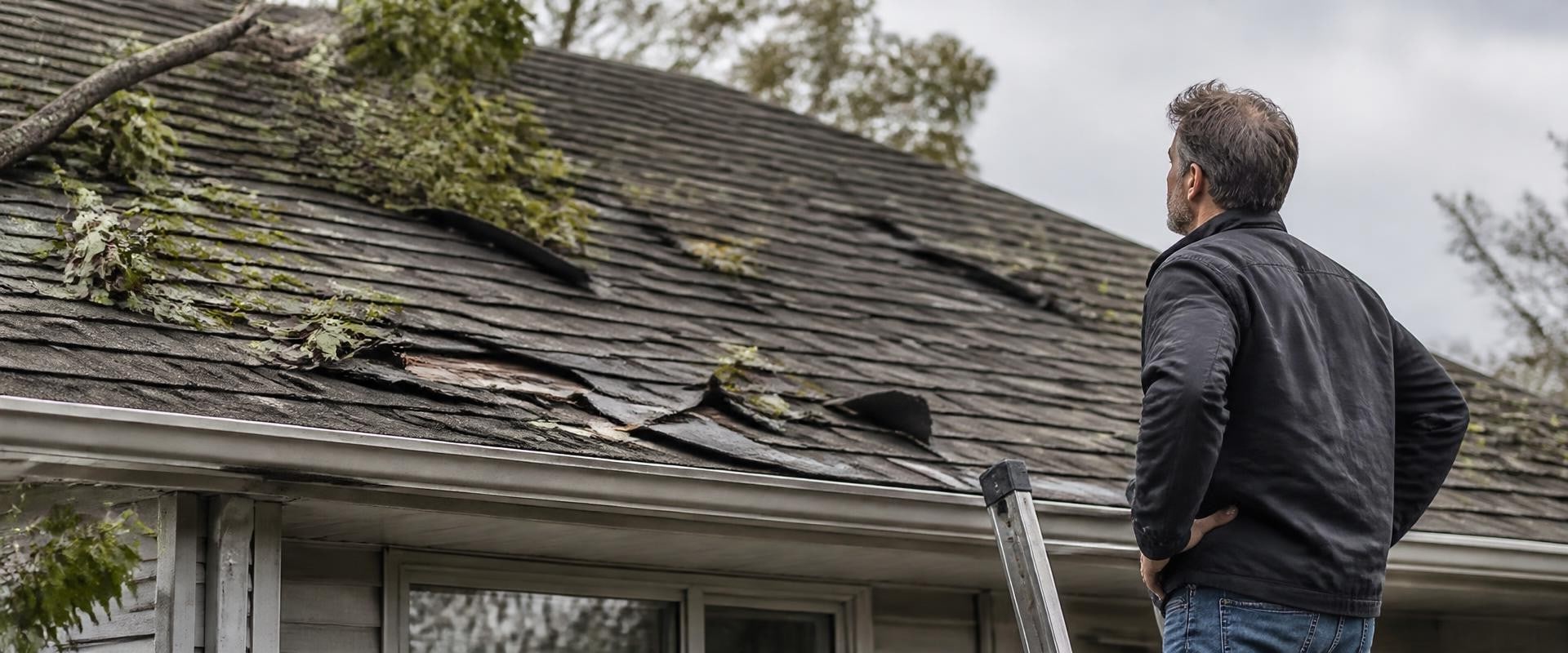
After a storm, the safety and integrity of your home can often be in jeopardy, making it crucial for homeowners to know how to inspect your roof after a storm. The Carlsbad Roof Repair Guide serves as an invaluable resource for residents in Carlsbad, CA, offering essential insights into assessing storm damage and ensuring your roof remains secure and functional. Storms can unleash powerful winds and heavy rains that may leave behind hidden threats, and understanding the steps to properly inspect your roof can prevent small issues from escalating into costly repairs. In this article, we will walk you through the essential steps for inspecting your roof after a storm, empowering you with the knowledge to identify potential damage early. From spotting loose shingles to assessing leaks and structural integrity, our guide will equip you with the tools needed to evaluate your roof effectively.
Whether you're a seasoned homeowner or new to property maintenance, knowing what to look for can make all the difference in protecting your investment and ensuring the safety of your family. As we delve deeper into the inspection process, we'll also highlight common mistakes to avoid and provide tips on when it's time to consult a professional. With the right information at your fingertips from the Carlsbad Roof Repair Guide, you can approach your post-storm inspection with confidence, safeguarding your home against future storm-related challenges. After a storm, it’s crucial for homeowners to conduct an inspection of their roofs to ensure safety and maintain the integrity of their homes. The Carlsbad Roof Repair Guide provides invaluable insights on assessing storm damage and finding local repair services, allowing homeowners to act promptly to prevent further issues. Storms can cause various types of roof damage that may not be immediately visible. Common issues include missing shingles, which can expose the underlying roofing material to moisture, leading to leaks.
Additionally, you may find leaks inside your home, often indicated by water stains on ceilings or walls. Another serious concern is structural issues, which can arise from strong winds or heavy snowfall that compromise the roof's framework. To conduct a thorough inspection, start from the ground. Look for any visible signs of damage such as missing shingles, damaged flashing, or sagging areas on the roof. If you notice any of these indicators, it's essential to assess the roof more closely.
However, exercise caution; only get on the roof if you feel confident in your ability to do so safely. If conditions seem risky, consider hiring a professional. When inspecting your roof, pay special attention to specific signs of damage. Look for water stains inside your home, as they can signal leaks that need immediate attention. Additionally, check the flashing, which are metal strips that direct water away from critical areas of your roof.
Damaged or rusted flashing can lead to significant water intrusion. Moreover, if you see granules from shingles in your gutters, this could indicate that your shingles are wearing out. Documenting any damage with photos is essential, especially when dealing with insurance claims. Take clear pictures of any visible damage from multiple angles. This documentation will help substantiate your claims and assist contractors in providing accurate estimates for repairs. When it comes to the costs associated with repairs and replacements, prices can vary widely depending on the extent of the damage and materials used.
For residents in Carlsbad, minor repairs might start around $200–$500 for things like resealing flashing or replacing a few shingles, while more extensive work could range from $1,000 to several thousand dollars if major sections need replacement. For those facing storm damage assessments and repairs, seeking local contractors is highly recommended. The Carlsbad Roof Repair Guide offers resources and contractor recommendations tailored for residents in Carlsbad, ensuring you find qualified professionals who can help assess and restore your roof efficiently.
Initial Ground Inspection
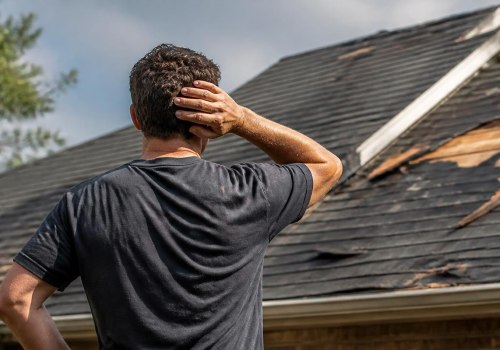
After a storm, the initial ground inspection is crucial for homeowners to assess potential damage to their roofs. Start by examining your roof from the ground level, using binoculars if necessary to get a closer look without climbing up. Look for visible damage, such as missing shingles, dents in metal flashing, or any dislodged roof tiles.Pay attention to areas that are often vulnerable, like valleys, ridges, and around chimneys or vents. Additionally, check for any debris that may have accumulated on the roof or in gutters, as this can lead to water pooling and further damage if left unaddressed. It’s also wise to inspect the surrounding area for fallen branches or other storm debris that may have impacted your roof. For detailed guidance on assessing storm damage and finding local repair services, refer to the Carlsbad Roof Repair Guide. This resource provides invaluable insights that can help you act quickly and effectively, ensuring your home remains safe and secure after the storm.
Documenting Damage for Insurance
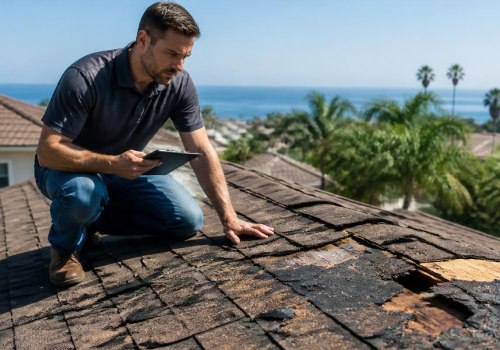
After a storm, assessing the condition of your roof is crucial not only for safety but also for ensuring that you can effectively file an insurance claim. One of the first steps in this process is to document any damage you discover.The Carlsbad Roof Repair Guide offers essential insights into how to conduct this assessment properly, helping homeowners take swift action. Begin by taking clear, detailed photographs of any visible damage, such as missing shingles, dents, or leaks. Ensure these images are well-lit and capture different angles. This visual evidence can be invaluable when filing a claim with your insurance company. Next, make a detailed list of all observed issues. Include specific descriptions of the damage and note the locations on your roof where these problems exist.
This documentation will help you communicate effectively with both your insurance adjuster and local repair services. If possible, include timestamps on your photographs and notes to provide context regarding when the damage occurred, which is particularly important after a storm event. This information can assist in substantiating your claim. Additionally, keep records of any communication with your insurance provider and repair contractors. The Carlsbad Roof Repair Guide emphasizes the importance of maintaining thorough records throughout this process to ensure a smoother claims experience. By following these steps to document your roof's condition post-storm, you can streamline the insurance process and better protect yourself against potential future issues.
Identifying Common Storm Damage
After a storm, it is crucial for homeowners to thoroughly inspect their roofs for potential damage. Doing so not only ensures safety but also helps in maintaining the integrity of the home.The Carlsbad Roof Repair Guide serves as a valuable resource for understanding how to assess storm damage effectively and find local repair services when necessary. When inspecting your roof, look for these common types of damage:
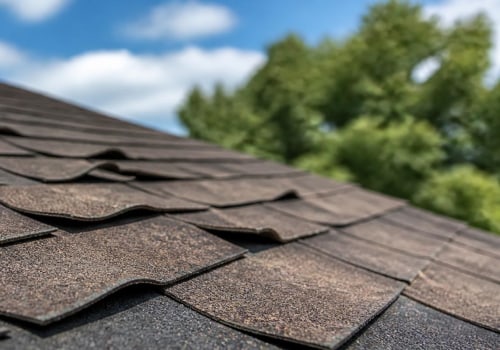
- Missing or Damaged Shingles: Check for any shingles that are missing, cracked, or curled. Storm winds can easily dislodge them, leading to leaks.
- Leaks and Water Stains: Inspect the interior of your home for any signs of water stains on ceilings or walls, which could indicate roof leaks.
- Dents or Damage to Metal Roofing: If your roof is metal, look for dents or other signs of impact that may compromise its protective qualities.
- Gutter and Downspout Issues: Examine gutters and downspouts for blockages or damage that could prevent proper drainage and lead to water pooling on the roof.
- Loose Flashing: Check around chimneys, vents, and skylights for loose or damaged flashing that could allow water to seep in.
Finding Local Repair Services
After assessing the damage to your roof, the next crucial step is finding reputable roof repair services in Carlsbad. It’s essential to choose a contractor who is not only experienced but also trustworthy, as this can significantly impact the outcome of your repairs.One of the best resources available for homeowners is the Carlsbad Roof Repair Guide, which provides valuable insights into local repair services and how to assess their qualifications. Start your search by utilizing online directories and review platforms that list roofing contractors in your area. Look for companies with positive customer reviews and a strong track record in storm damage repairs. Additionally, you can ask friends and neighbors for recommendations, as personal experiences can often lead you to reliable professionals. When you find potential candidates, ensure they are licensed and insured. This not only protects you as a homeowner but also indicates that the contractor adheres to industry standards.
It’s also wise to check if they have any certifications from roofing manufacturers, as this can demonstrate their expertise and commitment to quality. Once you have a shortlist, don’t hesitate to reach out to these contractors for estimates. A reputable service provider will conduct a thorough inspection and provide a detailed quote without any hidden fees. Moreover, using the Carlsbad Roof Repair Guide, you can compare different options based on costs, services offered, and customer feedback to make an informed decision. In conclusion, finding local roof repair services after a storm doesn’t have to be overwhelming. By leveraging resources like the Carlsbad Roof Repair Guide and following these steps, homeowners can ensure they select the right professionals to restore their roofs effectively.
Climbing Up: Safety First
When it comes to inspecting your roof after a storm, safety must be your top priority.Before you even think about climbing up, make sure you have the right equipment and mindset. The Carlsbad Roof Repair Guide emphasizes the importance of assessing your surroundings and ensuring that conditions are safe for a roof inspection. First and foremost, ensure that the weather has cleared up before heading out. Wet surfaces can be slippery, increasing the risk of falls. If the roof is still wet or if there are high winds, it is best to postpone your inspection.
Additionally, inspect the ground area around your home for any fallen branches or debris that could pose a hazard. Next, wear appropriate safety gear. A sturdy pair of non-slip shoes is essential for maintaining traction on the roof. Consider using a safety harness attached to a secure anchor point, especially if your roof has a steep pitch. It's also wise to have a buddy system in place—never inspect your roof alone.
Having someone on the ground can assist you in case of an emergency. Before you climb up, make sure you have all necessary tools within reach. Carrying too much at once can throw off your balance and increase the likelihood of accidents. Always use a stable ladder that is positioned on level ground, ensuring it extends at least three feet above the edge of the roof for added security. Once on the roof, take your time and move cautiously. Avoid stepping on weak or damaged areas that could give way underfoot.
Look for signs of damage such as missing shingles or leaks, and be mindful of any electrical wires that may have been affected by the storm. By following these safety measures, you can conduct your roof inspection with greater confidence and minimize risks. Remember that if you notice significant damage or feel uncomfortable inspecting the roof yourself, consulting professionals through resources like the Carlsbad Roof Repair Guide can provide valuable support in assessing storm damage and finding local repair services. In conclusion, homeowners should take immediate action after a storm by following the key steps outlined in this article: conducting an initial ground inspection, prioritizing safety when climbing up to the roof, identifying common types of storm damage, documenting any issues for insurance purposes, and finding reliable local repair services. These steps are essential not only for safety but also for maintaining the integrity of your home. Timely inspections and repairs can prevent minor issues from escalating into major problems. Therefore, we encourage you to utilize resources like the Carlsbad Roof Repair Guide, which provides valuable insights on assessing storm damage and connecting with trusted contractors in your area.
By acting quickly and informed, you can ensure your roof remains a protective shield over your home.